Inbound Release Platform operational after completion of start-up phase

Port of Antwerp-Bruges, NxtPort and The Way Forward announce the successful completion of the start-up phase of the Inbound Release Platform (IRP). Since the official deadline for the implementation of the European customs process PN/TS on 31 January 2026, almost all companies have become operational. By the end of the tolerance period on 31 March 2026, the remaining companies will also switch from the old customs systems to the new platform.


24 March 2026

Transition to a product-oriented operation

With the end of the tolerance period, the IRP project phase will be completed and a product-oriented operation will begin. The focus will shift towards stability, optimisation and the continuous improvement of the platform. A dedicated service team will take over the daily management and will be available during office hours to answer questions and resolve any operational issues.

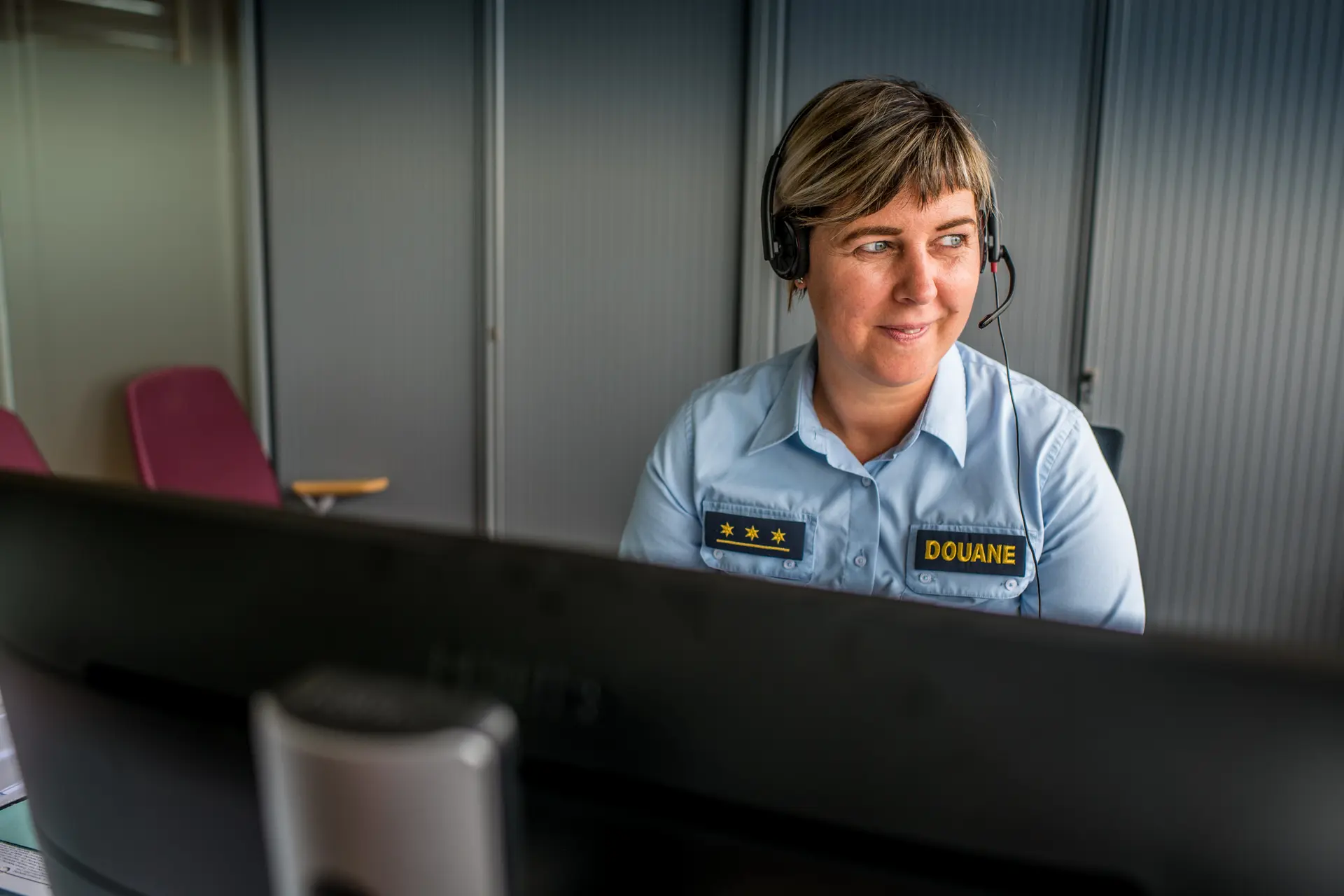
©Stephanie Fraikin

Strong sector adoption

Currently, 64 shipping agents are connected to the platform, of which 52 are fully operational. In addition, 24 terminals are connected, of which 22 are fully live. 173 logistics service providers are also actively using IRP.


Since 1 December 2025, more than 750,000 Temporary Storage Declarations (TSDs) have been submitted via the platform. Approximately 55% of these concern transshipment volumes. The remaining 345,000 TSDs relate to import goods within the cargo types RoRo, containers and breakbulk, of which 260,000 have already been released by customs.

Collaboration as a key to success

The successful implementation of IRP is the result of close cooperation between the port community, technology partners and customs authorities. Thanks to this collective effort, the sector was able to respond in time to the new European customs legislation and establish a stable digital platform for the handling of incoming goods.


Port of Antwerp-Bruges, NxtPort and The Way Forward thank all connected companies for their trust and constructive cooperation during the implementation of the platform.

You might also find this interesting